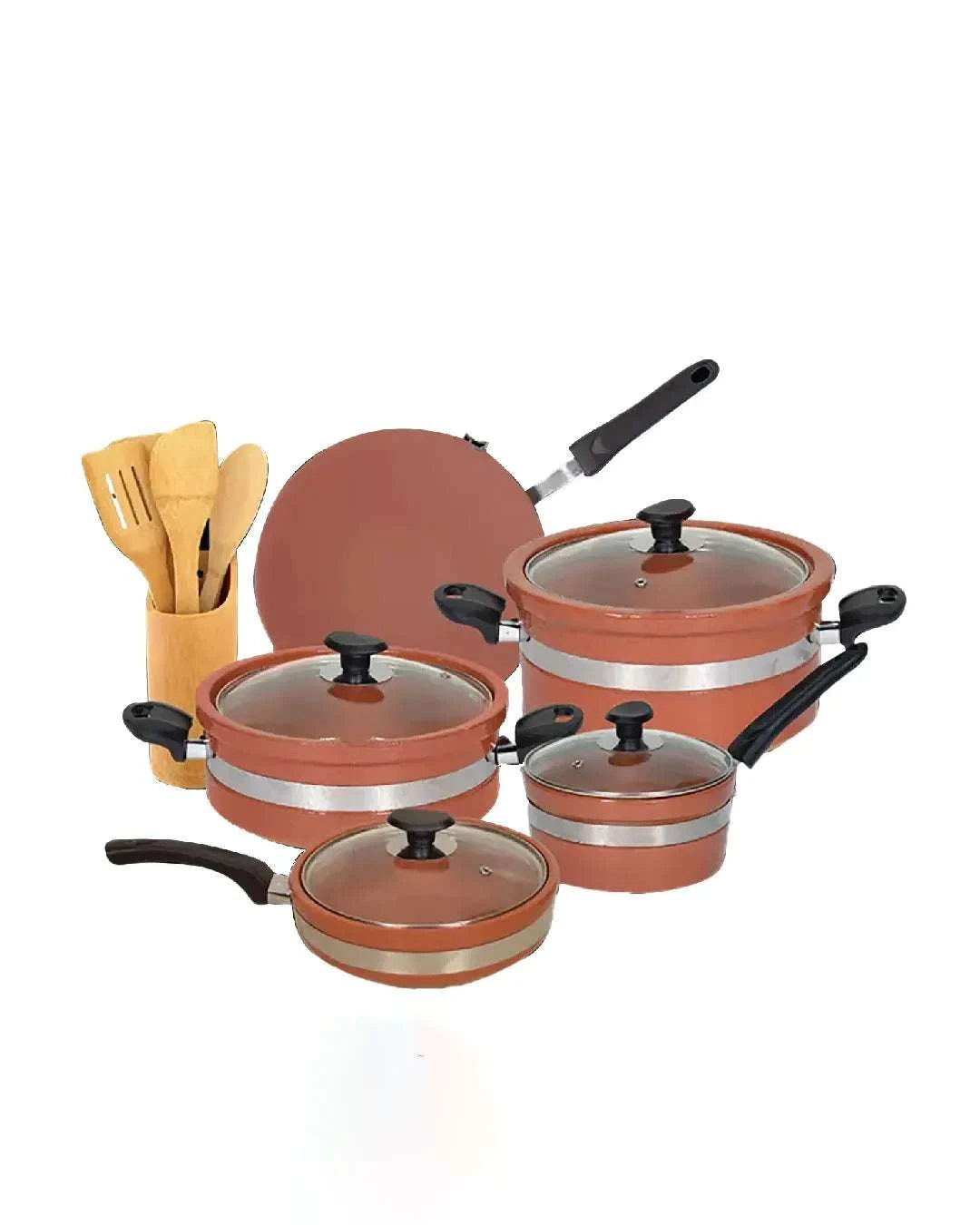
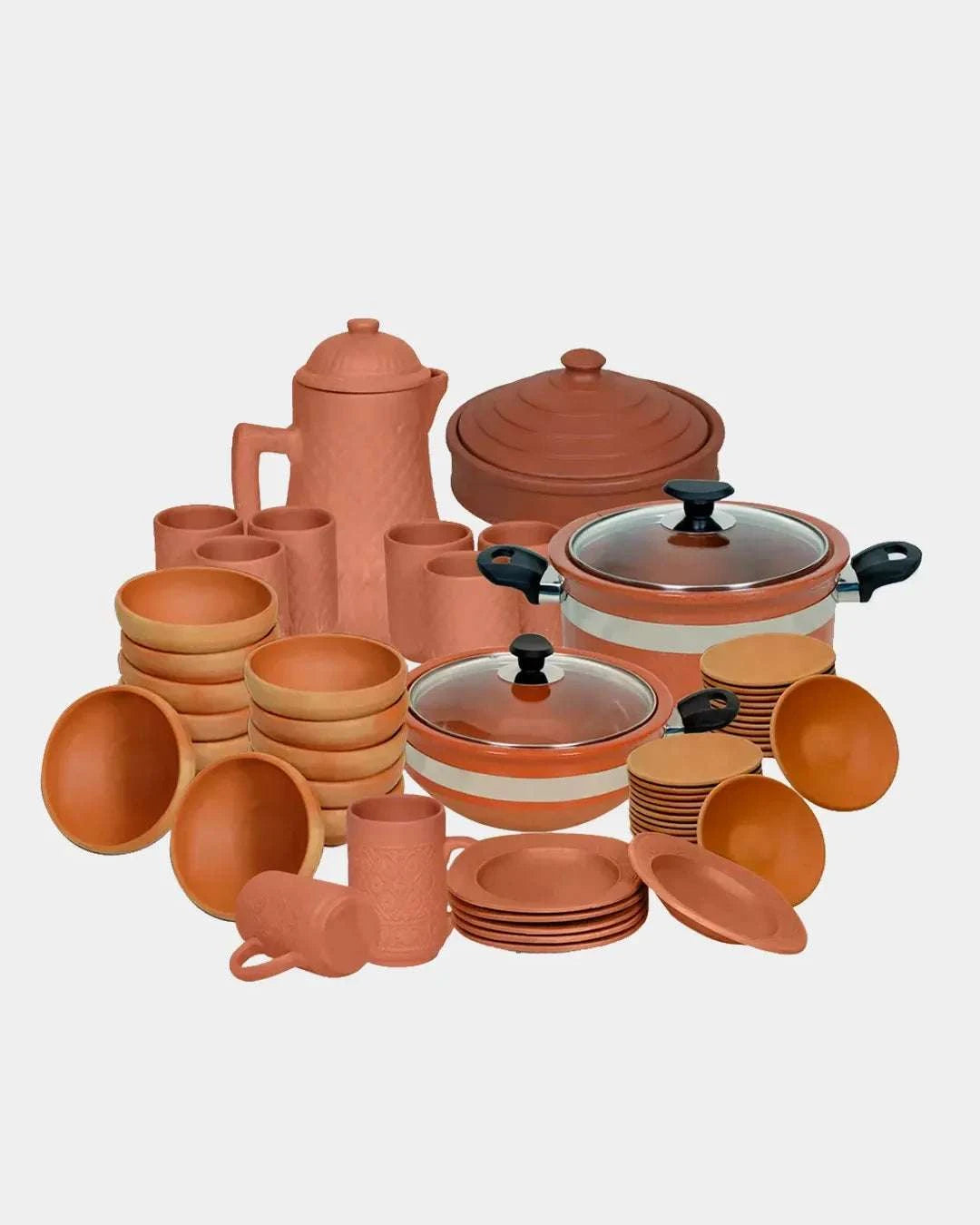
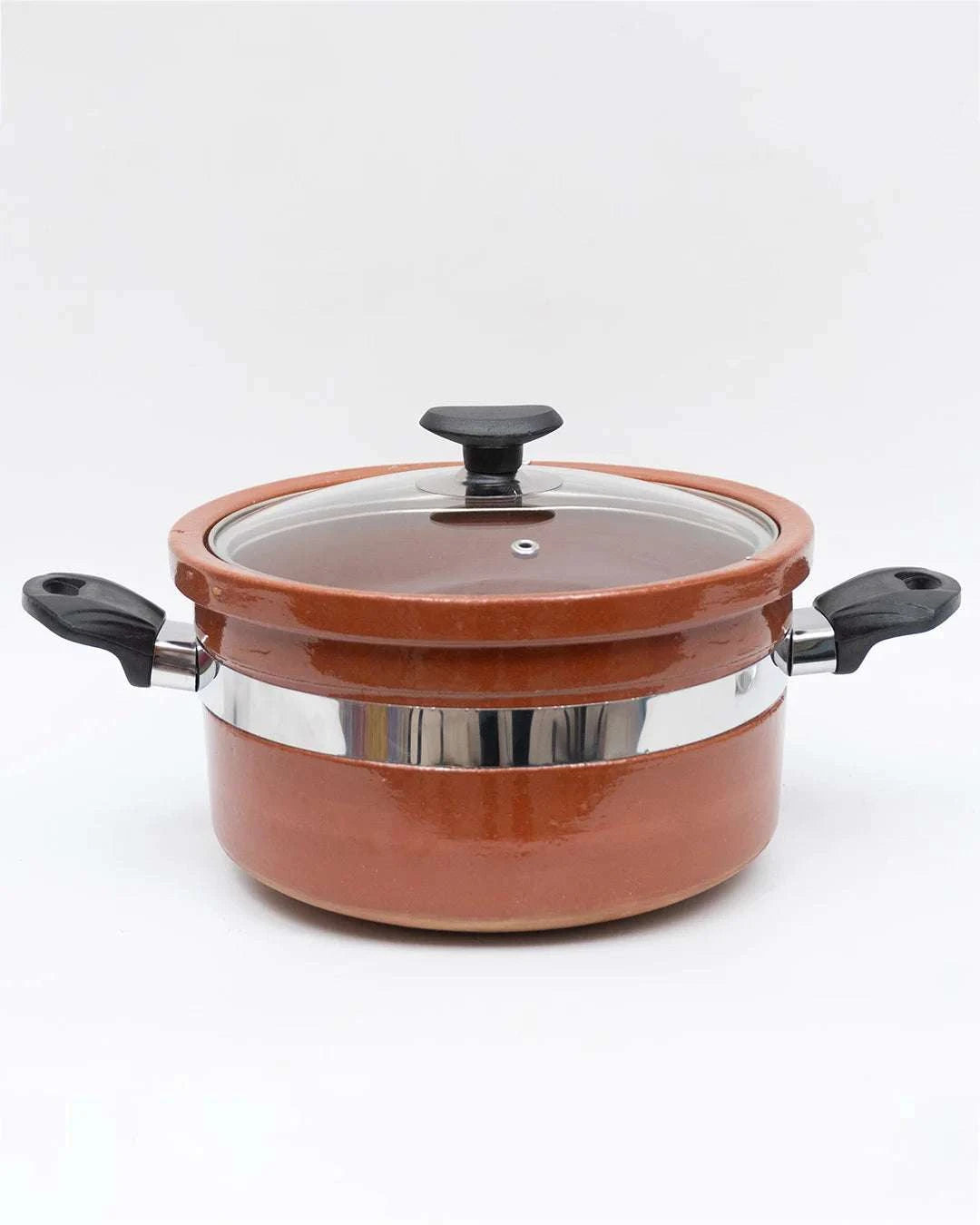
There is a particular warmth to food cooked in earthenware that is difficult to recreate with ordinary cookware. A rich curry simmering in a handi, daal slowly thickening over gentle heat, or rice absorbing the flavors of spices inside a traditional vessel feels different from a meal prepared in a standard metal pan. The difference is not simply nostalgia. The material, cooking method, and patience involved can all influence the final eating experience.
For generations, Pakistani households have used mitti ke bartan for cooking dishes that rely on slow and steady preparation. Today, these traditional vessels are finding their way back into modern-day kitchens as more people explore the connection between cookware, cooking techniques, and flavor.
What Makes a Clay Cooking Pot Different?

A pot made of clay behaves differently from many common metal cookware materials. Clay is a natural material that, once properly shaped and fired, can be used to create cooking vessels designed for gradual heating. Compared with cookware that responds quickly to changes in heat, a clay vessel encourages a slower cooking process.
This makes it particularly suitable for recipes that benefit from simmering and longer cooking times. Think about dishes such as daal, nihari, haleem, salan, vegetable curries, and slow-cooked meat. These recipes often rely on allowing ingredients to cook together rather than rushing them at high temperatures. That is where the traditional clay pot can make a difference.
The Secret May Be Slow And Gentle Cooking

One of the biggest reasons people enjoy mitti ke bartan for cooking is the way they complement slow cooking. When a dish cooks gently, ingredients have more time to release their flavors and aromas into the sauce. Spices can blend into the gravy, meat can become tender, and vegetables can absorb the surrounding seasoning.
The clay vessel itself is not responsible for creating all of this flavor. Rather, its heating method can encourage a cooking method that gives the ingredients more time. This is particularly valuable in Pakistani cuisine, where many dishes are built around layers of flavor created through gradual cooking.
Why Curries Taste So Rich in a Clay Handi
A traditional handi is particularly well suited to saucy dishes. Once onions, tomatoes, spices, meat, or vegetables have been combined, a slow simmer allows the ingredients to develop together. The result can be a deeper, more cohesive flavor profile.
The shape of the vessel can also contribute to the traditional cooking experience. A deep clay handi gives you room for layered ingredients and sauces while making it practical to take the dish from kitchen to table. For dishes such as chicken curry, vegetable salan, daal, or slow-cooked meat, this can be an appealing alternative to conventional cookware.
Does Clay Actually Add an Earthy Taste?
This is one of the most common questions about clay cookware. Traditional unglazed clay has a naturally earthy character, but that does not mean food should taste like soil. A properly manufactured and food-safe cooking vessel should not make your meal taste unpleasant or contaminated. The final flavor depends much more on the ingredients, preparation, heat, and cookware quality.
The idea of an "earthy" cooking experience often refers to the traditional character of the vessel rather than a literal soil-like flavor. If a pot produces an unusual or unpleasant taste, the cookware may not be suitable for food preparation, may require specific preparation before use, or may have been improperly manufactured. Always follow the manufacturer's instructions.
The Mitti Ke Bartan Benefits Worth Knowing
The mitti ke bartan benefits are best understood in practical terms rather than through exaggerated health claims. First, clay cookware is naturally suited to gradual cooking. This makes it useful for traditional recipes that benefit from longer simmering. Second, clay vessels can move beautifully from cooking to serving. A handi filled with curry or rice can become part of the dining presentation without requiring another serving dish.
Third, traditional clay cookware brings a tactile and visual quality that modern cookware often lacks. The natural texture, earthy color, and handmade character can make everyday meals feel more connected to culinary heritage. Finally, using clay can encourage a slower approach to cooking. Instead of rushing a recipe, you are more likely to let it develop at its own pace. These qualities make clay cookware interesting not because it is a miracle material, but because it supports a different relationship with food.
From Clay to Cookware: How the Pot Is Made
The quality of a clay cooking vessel begins long before it reaches your kitchen. The clay pot making process starts with selecting suitable clay. The raw material is cleaned and prepared before being mixed with the appropriate amount of water. The clay is then kneaded to create a workable consistency and reduce unwanted air pockets. An artisan shapes the vessel by hand, on a pottery wheel, or using a combination of traditional techniques. The form is carefully refined, with attention given to the walls, rim, base, and overall balance.
After shaping, the pot is left to dry gradually. This is an important stage because rapid or uneven drying can lead to cracking. Once sufficiently dry, the vessel is fired at a controlled temperature. Firing transforms the soft clay into a durable ceramic material suitable for its intended purpose. The finished pot may then be inspected, refined, or given an appropriate finish. What looks like a simple handmade handi is therefore the result of several stages of careful work.
Is Clay Cookware Better Than Metal?
Not for every cooking task. Stainless steel is durable and versatile. Aluminium heats quickly. Non-stick cookware can be convenient for recipes that are prone to sticking. Clay has different strengths. It is particularly appealing for slow cooking, traditional dishes, and presentation.
If your cooking routine consists mainly of quick frying, rapid boiling, or recipes requiring immediate temperature changes, metal cookware may be more convenient. The best kitchen does not need to choose only one material. Clay cookware can comfortably exist alongside your modern pots and pans. Use each according to the dish and cooking technique.
How to Use Mitti Ke Bartan for Cooking Safely
Before using a clay cooking vessel, always read the manufacturer's care instructions. Some products require preparation before their first use. If the vessel is designed for stovetop cooking, heating it gradually is generally important to reduce the risk of thermal shock. Never assume that every decorative clay pot is suitable for cooking.
Check that the product is specifically made for food preparation and is compatible with your intended heat source. Avoid sudden temperature changes, such as placing a very hot pot on a cold or wet surface. Allow the vessel to cool naturally before cleaning. With appropriate care, a quality clay pot can become a regular part of your cooking routine.
Bring Traditional Cooking Back to Your Kitchen
The appeal of mitti ke bartan for cooking lies in the combination of material, method, craftsmanship, and tradition. A clay pot does not magically transform ordinary ingredients into extraordinary food. What it can do is encourage a slower cooking process that gives flavors more time to develop. It can also turn serving into part of the experience, which brings the warmth of traditional Pakistani kitchens directly to the dining table.
At Apni Mitti, traditional pottery celebrates this connection between earth, craft, and everyday cooking. A carefully made pot that is made of clay is more than an attractive kitchen piece. It represents a cooking tradition that has remained relevant because it works beautifully with the foods people love. If you are ready to explore traditional cooking, start with a clay vessel suited to the dishes you already prepare. Give it the right care, cook patiently, and let the food develop naturally. Sometimes, better flavor is not about adding more. It is about giving what is already there, and makes it shine.