Pakistani kitchens have always been more than just cooking spaces. They are places where tradition, taste, and family routines come together. From slow-cooked curries to aromatic rice dishes, the cookware used in these kitchens plays a major role in how food turns out.
Among all cookware options, Pakistani cooking pots hold a special place because they reflect both heritage and practicality. Whether made of clay, steel, or modern coated materials, these pots are deeply connected to how we cook and share meals in everyday life.
Today, buyers are becoming more conscious about what they use in their kitchens. Health, durability, taste, and cooking experience all matter. This is why interest in traditional and modern Pakistani cooking pots is increasing again across homes in Pakistan.
Why Pakistani Cooking Pots Are Still a Kitchen Essential

Food culture in Pakistan is rich and diverse. From spicy karahis to comforting daals, most dishes rely on slow cooking, layered flavors, and balanced heat. Pakistani cooking pots are designed to support this cooking style. They help distribute heat evenly and allow ingredients to cook properly without losing moisture or flavor.
This is one of the main reasons why Pakistani cooking pots continue to remain relevant even in modern kitchens filled with advanced cookware. Many buyers are now revisiting traditional cookware because they want better taste and a more natural cooking experience.
Types of Pakistani Cooking Pots Available Today
Modern buyers are not limited to one type of cookware. Pakistani kitchens now use a combination of traditional and contemporary cooking pots.
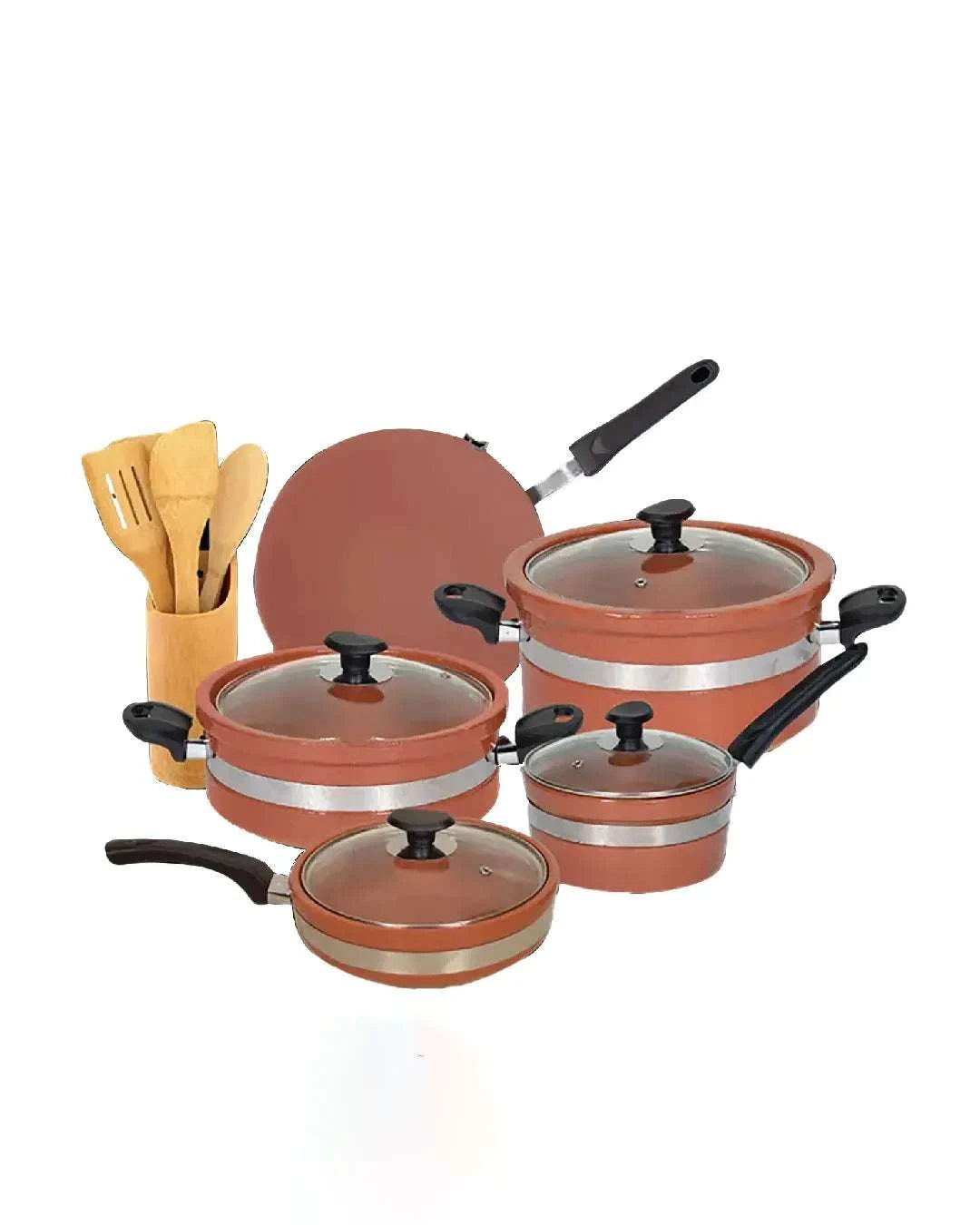
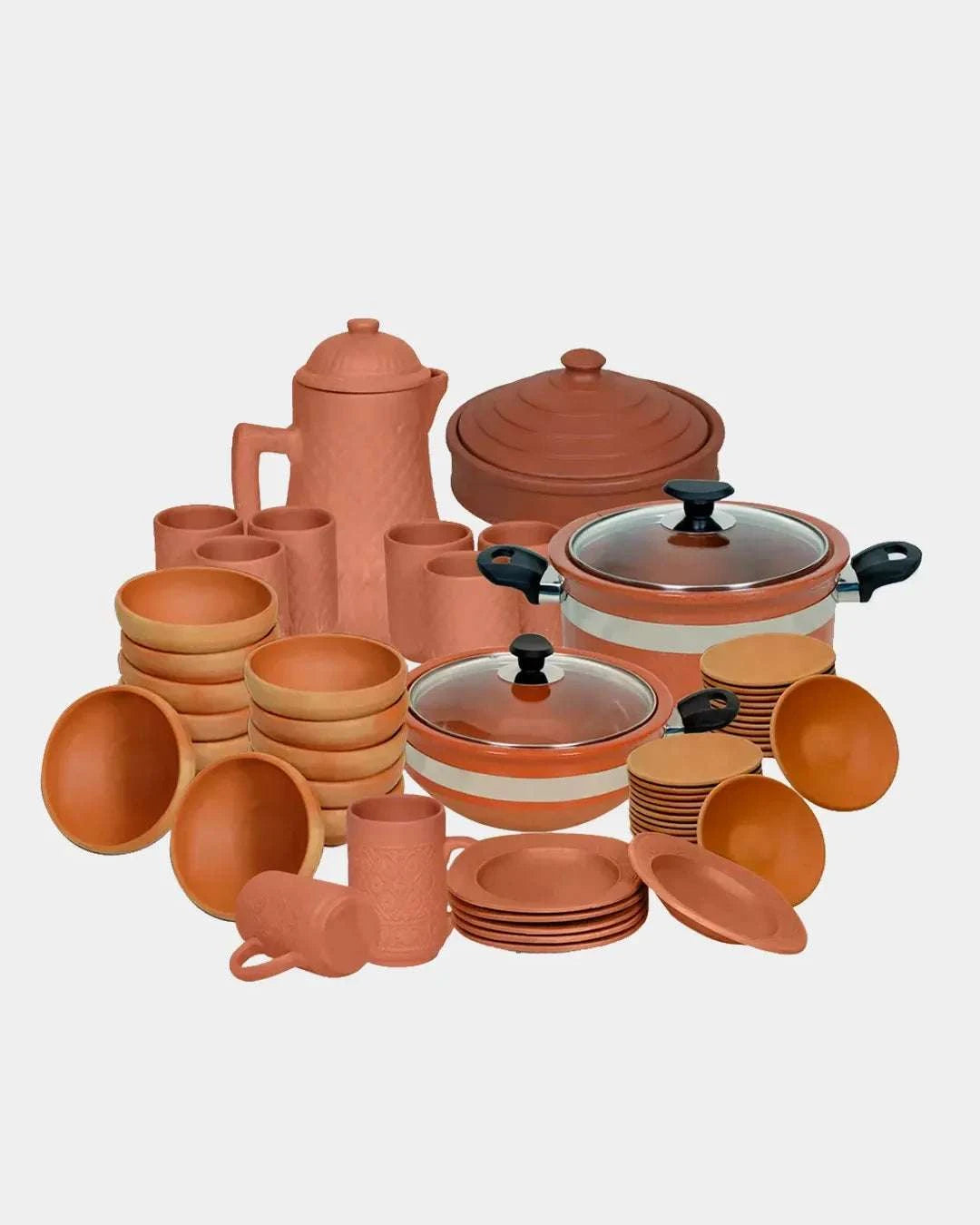
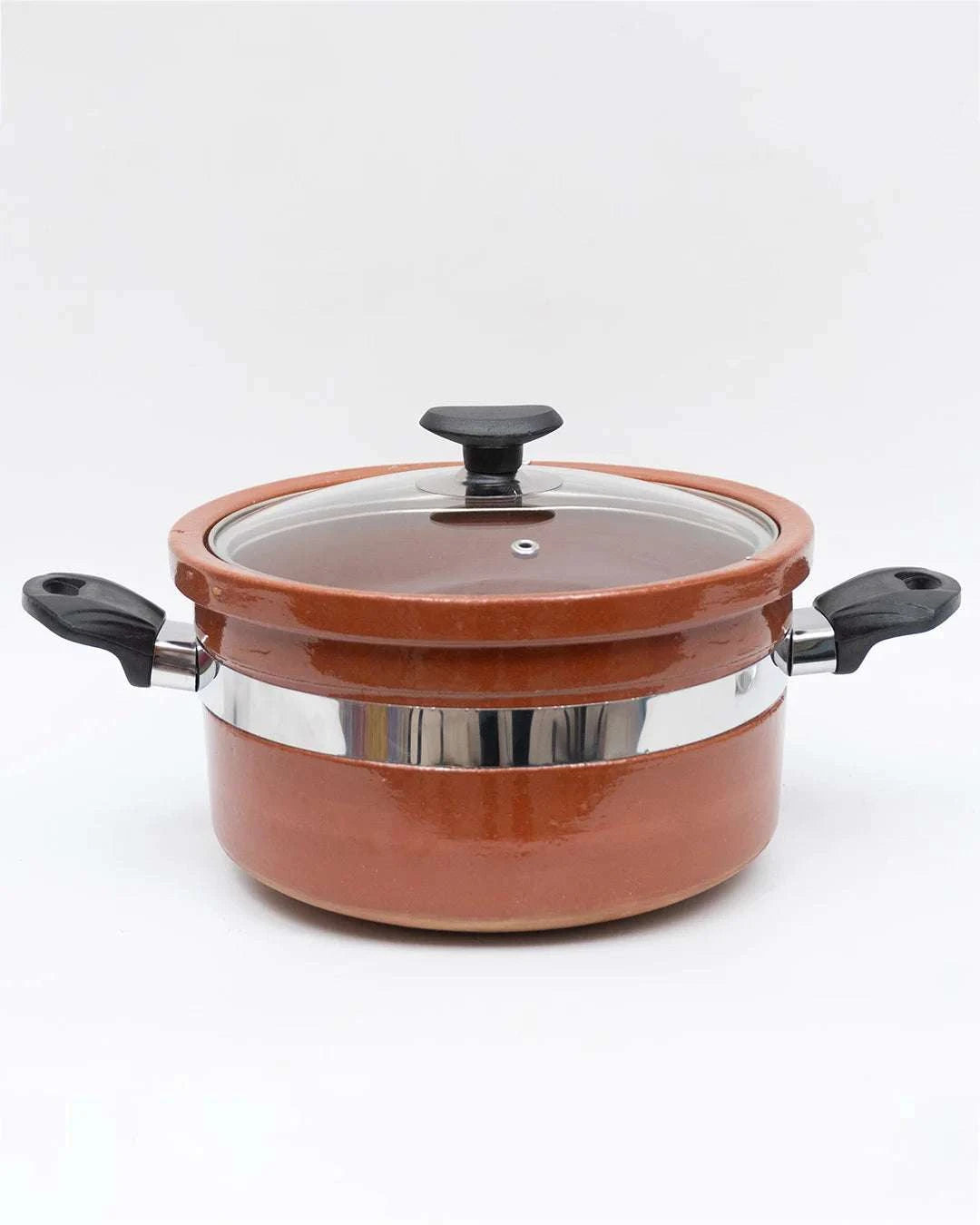
Clay pots are one of the oldest forms of cookware used in the region. They are valued for slow cooking and natural heat retention. They are often used for biryani, handi, curries, and rice dishes. Many people prefer them because they enhance flavor and provide a traditional cooking experience.
Steel cookware is the most common in urban kitchens. It is durable, easy to clean, and suitable for everyday cooking. It is often used for boiling, frying, and general cooking tasks.
Non-stick cookware has become popular for modern households due to convenience and reduced oil usage. It is often preferred for quick meals and easy cleanup.
These are lightweight and budget-friendly options commonly used in many Pakistani homes.
Each type has its own strengths depending on cooking habits and lifestyle.
Pakistani Cooking Pots vs Steel Cookware: What’s the Real Difference?

One of the most common comparisons buyers make is Pakistani cooking pots vs steel cookware. Both have advantages, but they serve slightly different purposes. Steel cookware is known for durability and practicality. It is strong, long-lasting, and suitable for everyday use. However, it heats quickly and may sometimes lead to uneven cooking if not used carefully.
Traditional cooking pots, specifically clay ones, heat more slowly and evenly. This makes them ideal for dishes that require gradual cooking and enhanced flavor development. Steel cookware focuses more on efficiency, while traditional pots focus more on taste and cooking experience. Choosing between them depends on what matters more to you in daily cooking: speed or depth of flavor. Many households in Pakistan actually use both types together for different cooking needs.
Health and Cooking Experience in Pakistani Cooking Pots
One of the reasons people search for Pakistani cooking pots today is health awareness. Cooking methods can influence how food turns out, specifically in terms of oil usage, heat exposure, and moisture retention. Clay-based cooking pots, for example, support slower cooking that can help maintain natural texture and reduce overcooking.
On the other hand, steel pots are efficient and reliable for quick meals. Modern buyers are not necessarily replacing one with another but are instead trying to balance both depending on their lifestyle. The goal is not just cooking faster, but cooking better.
The Rise of Pakistani Cooking Pots Online Shopping
Shopping habits have changed significantly in recent years. More people now prefer Pakistani cooking pots online shopping instead of visiting physical markets. Online platforms allow buyers to compare designs, sizes, materials, and prices easily. This makes decision-making more convenient, specifically for new buyers who are exploring cookware for the first time.
Online shopping also gives access to traditional cookware that may not always be available in local stores. However, it is important to check product details carefully, including material type, size, and intended use before purchasing.
Pakistani Cooking Pots for Sale in Pakistan: What Buyers Should Look For?
With increasing demand, there are many Pakistani cooking pots for sale in Pakistan across both online and offline markets. But not all products offer the same quality. Before buying, consider the following:
-
Material quality and durability
-
Cooking purpose (daily use or special dishes)
-
Size suitability for your household
-
Heat compatibility
-
Ease of cleaning and maintenance
A good cooking pot should not only look appealing but also perform well in everyday use. Choosing wisely ensures long-term satisfaction and better cooking results.
Pakistani Cooking Pots Near Me: Why Local Markets Still Matter
Even with online shopping growing rapidly, many people still search for Pakistani cooking pots near me. Local markets offer something different, which is physical inspection. Buyers can touch the material, check weight, and evaluate craftsmanship before purchasing. This is particularly important for traditional cookware like clay pots where texture and finish matter.
Local vendors also often provide personalized guidance based on cooking needs, which can be helpful for first-time buyers. A combination of online research and local inspection often leads to the best purchase decisions.
How to Choose the Best Pakistani Cooking Pots for Your Kitchen
Choosing cookware is not just about appearance. It is about how it fits into your daily routine. Here are some practical considerations:
-
Think about your cooking style. If you prefer slow-cooked dishes, traditional pots may suit you better. If you prefer quick meals, steel or non-stick cookware may be more practical.
-
Consider your family size when selecting pot size.
-
Look for cookware that is easy to maintain and clean.
-
Try building a balanced kitchen instead of relying on only one type of cookware.
A mix of traditional and modern pots often works best in Pakistani homes.
The Cultural Value of Pakistani Cooking Pots
Cookware in Pakistan is not just functional. It carries cultural meaning. Clay pots, steel degchis, and handis are part of traditional cooking practices passed down through generations. Even today, many festive meals and family gatherings are incomplete without traditional cooking pots. They represent continuity, memory, and shared meals. This cultural connection is one reason why Pakistani cooking pots remain meaningful beyond their practical use.
Why Every Kitchen Needs the Right Balance
Modern kitchens are evolving. They now combine convenience with tradition. The best approach is not choosing one type of cookware but understanding when to use each. You can use steel pots for everyday cooking, clay pots for flavor-rich traditional dishes, non-stick cookware for convenience, and special pots for serving and presentation. This balance creates a more complete cooking experience.
Pakistani cooking pots continue to play an important role in kitchens across the country. Whether you are exploring Pakistani cooking pots online shopping, searching for Pakistani cooking pots for sale in Pakistan, comparing Pakistani cooking pots vs steel cookware, or looking for Pakistani cooking pots near me, the key is understanding your cooking needs first. Cookware is not just about preparing food. It is about shaping the experience of cooking itself.