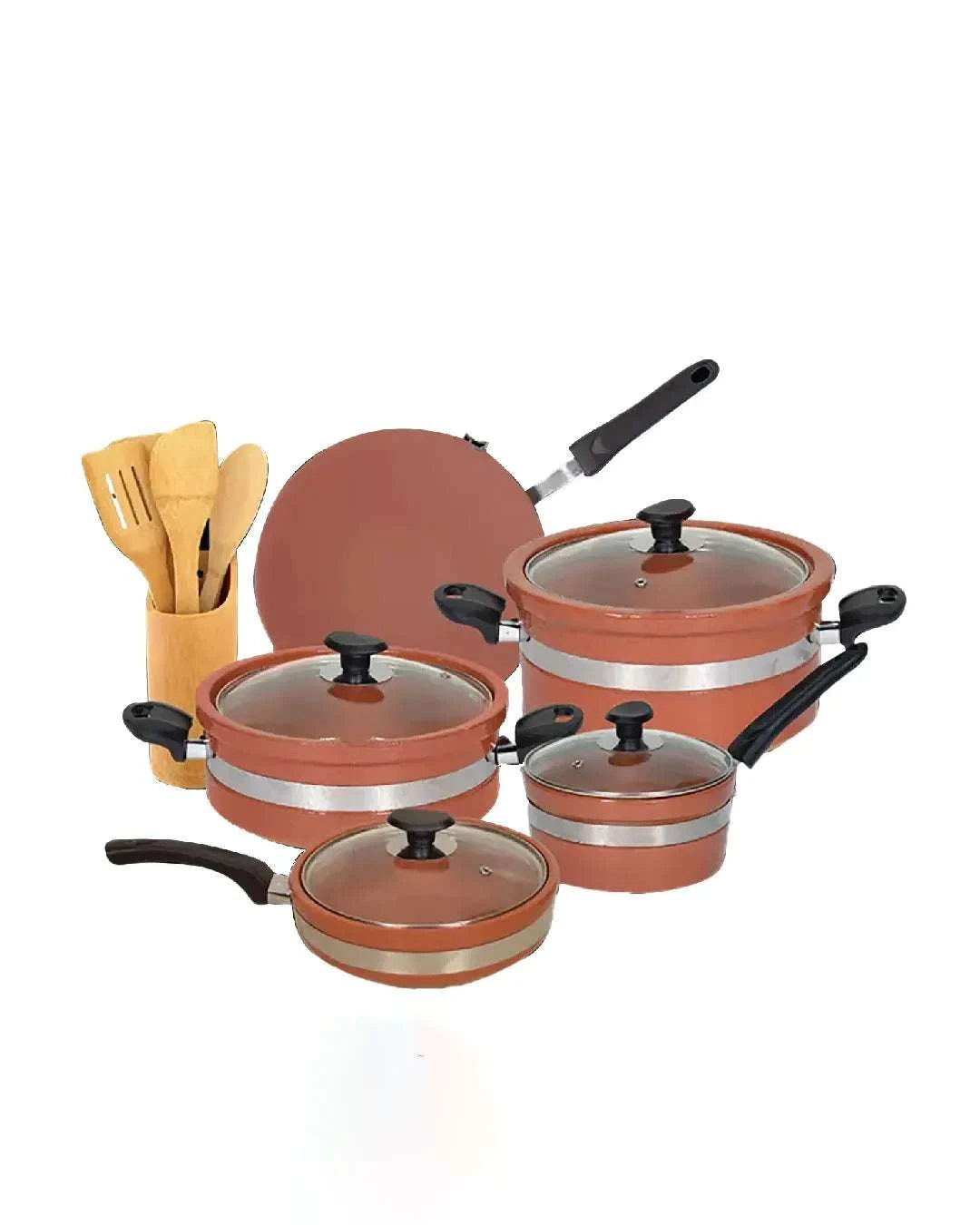
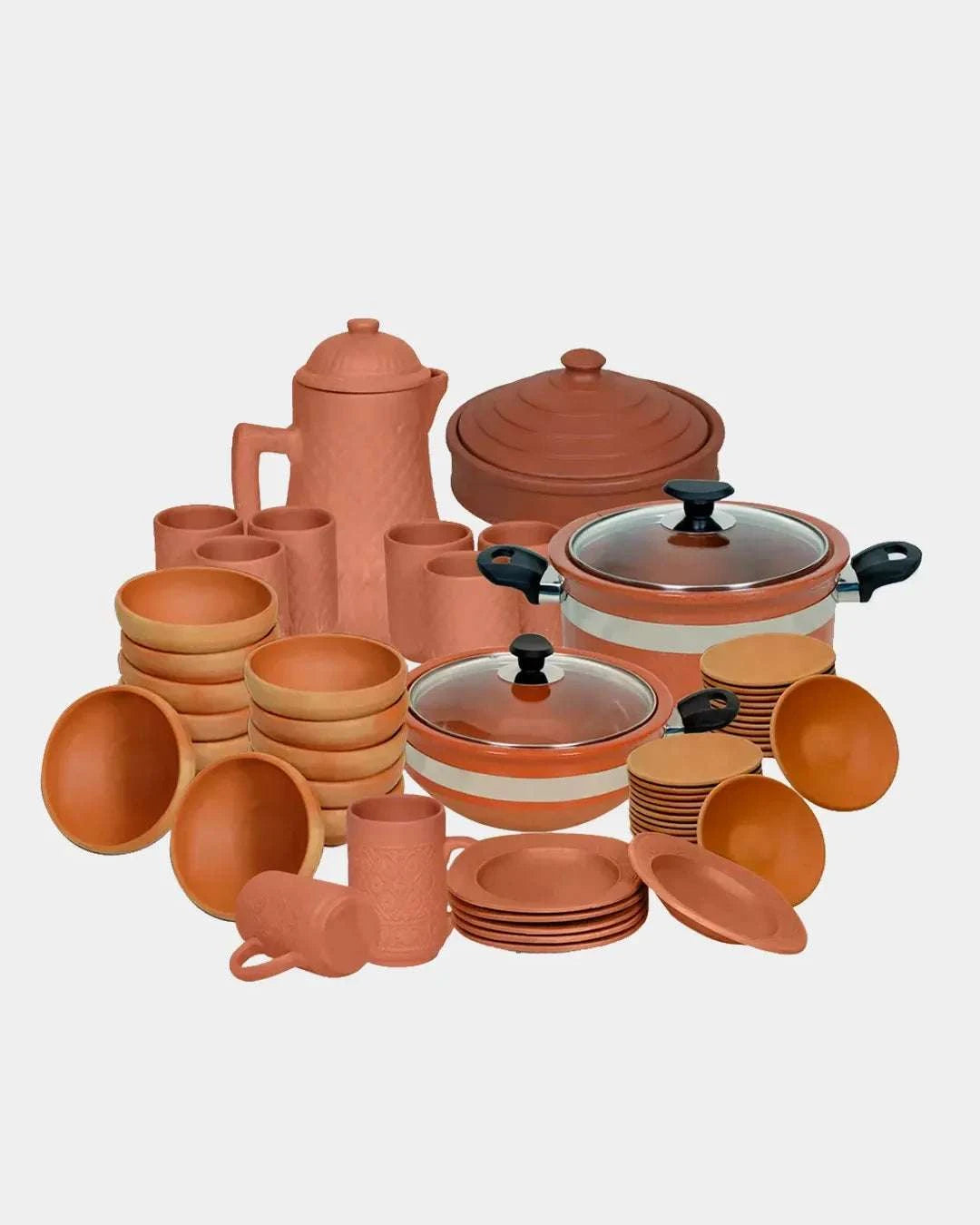
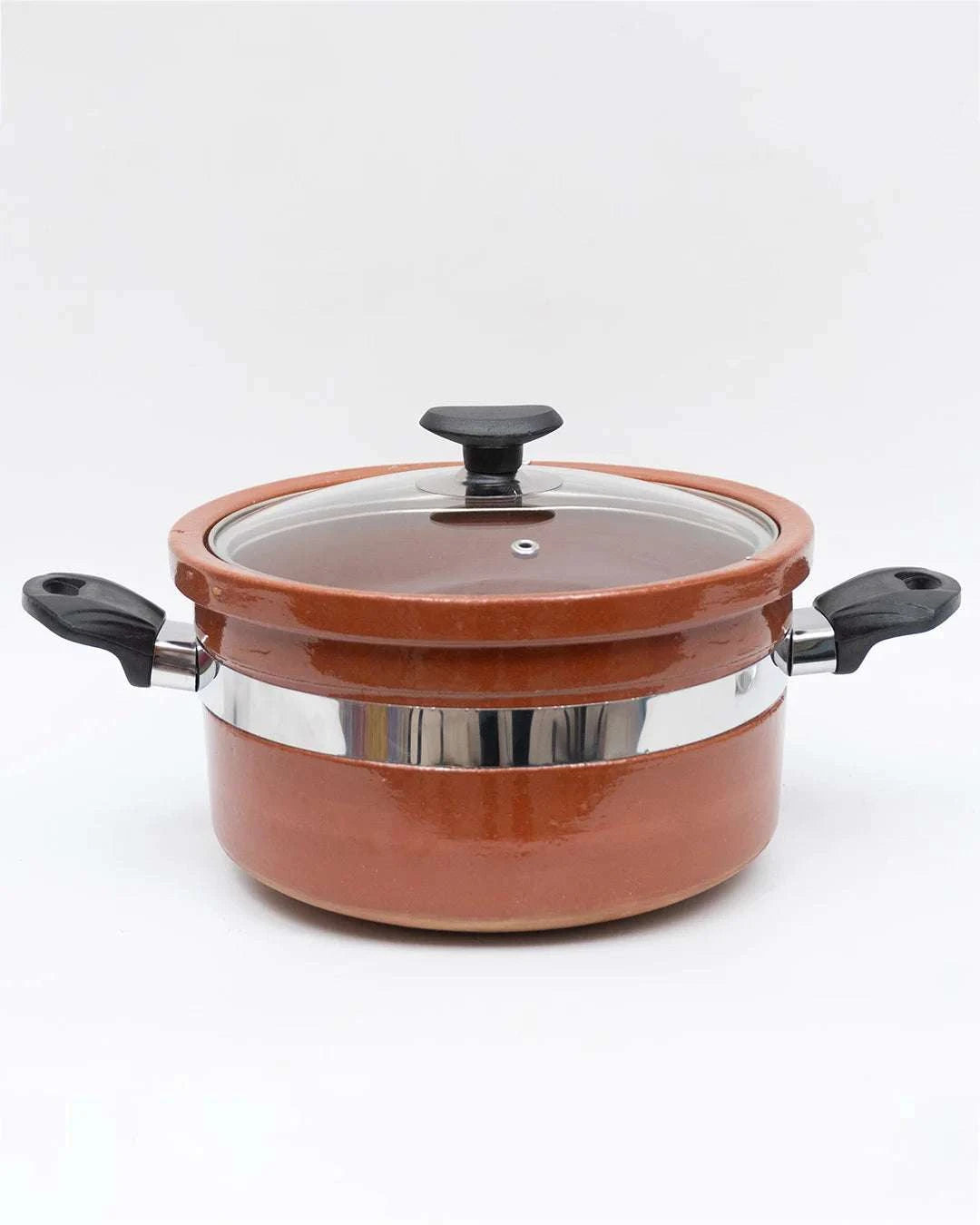
Imagine walking into a kitchen where the air is filled with a deep, earthy aroma that instantly makes you feel at home. This is the magic of mitti k bartan, a legacy passed down through generations of Pakistani households. Choosing a clay pot for your daily meals is more than just a nod to tradition; it is an upgrade to your family's sehat and a secret weapon for creating unmatched flavor. While modern life moves at a frantic pace, the slow, steady rhythm of earthenware reminds us that the best things in life, especially our food, are worth the wait.
The Natural Science of Mitti k Bartan
The primary reason why clay pots for cooking are superior lies in their chemical composition and physical structure. Clay is a porous material, meaning it contains thousands of microscopic pores that allow heat and moisture to circulate evenly throughout the food.
Alkaline Properties for Better Health
One of the most significant advantages of clay is its alkaline nature. Most of the ingredients we use in our daily meals, such as meat, tomatoes, and various spices, are acidic. When these acidic foods interact with the alkaline properties of a clay pot, the pH level is neutralized. This makes the food much easier to digest and significantly reduces the chances of acidity or health issues like heartburn.
Moisture Retention and Slow Cooking
Unlike metal, clay is a poor conductor of heat, which is actually a benefit. It cooks food slowly and prevents the natural oils and moisture from evaporating. This slow-cooking process ensures that the nutrients remain trapped inside the dish. When you use clay pots for cooking, you will notice that the meat remains tender and the vegetables retain their vibrant color and texture.
Heat Radiation
A unique scientific feature of a clay pot is its ability to emit far-infrared heat. While metal pans primarily heat through conduction (surface contact), clay radiates heat that penetrates deep into the center of the food particles. This ensures that the food is cooked thoroughly and evenly from the inside out, preserving the delicate molecular structure of the vitamins and minerals that often get destroyed by the harsh, direct heat of metal.
Clay Pot vs Stainless Steel

When setting up a kitchen, many people wonder about a clay pot vs stainless steel in terms of long-term utility. While steel is durable and quick to heat, it lacks the biological benefits of earth.
- Heat Management: Stainless steel can often create hot spots that burn the food. In contrast, clay distributes heat gently and retains it for a long time, keeping your khana warm long after the stove is turned off.
- Nutrient Preservation: High heat in metal pans can destroy sensitive vitamins. Clay maintains a steady, moderate temperature that protects the nutritional value of the ingredients
- Natural Filtering: Clay acts as a natural filter, whereas some low-quality metals can leach chemicals into the food over time.In the debate of clay pot vs stainless steel, if the goal is maximum zaiqa and wellness, clay is the clear winner for traditional slow-cooked meals.
In the debate of clay pot vs stainless steel, if the goal is maximum zaiqa and wellness, clay is the clear winner for traditional slow-cooked meals
Benefits of a Healthy Lifestyle
The utility of earthenware extends beyond the stove. It plays a vital role in how we consume the most basic necessity of life: water.
The utility of earthenware extends beyond the stove. It plays a vital role in how we consume the most basic necessity of life: water.
The Refreshing Clay Pot for Water
During the scorching summers in Pakistan, nothing beats the coolness of a matka. Using a clay pot for water is a natural alternative to refrigeration.
- Natural Cooling: Through the process of evaporation, the clay cools the water to a temperature that is perfect for the throat, preventing the irritation often caused by ice-cold fridge water.
- Metabolism Boost: Water stored in a clay pot for water is free from plastic chemicals like BPA. It helps maintain the body's glucose levels and provides a natural boost to your metabolism.
Cooking with Less Oil
For those conscious of their heart health and weight, a clay pot is a game-changer. The moisture-retaining property of the clay means you can cook with significantly less oil or ghee. The food cooks in its own juices and steam, making the meal lighter without sacrificing the traditional sondhi khushbu (earthy aroma) that we all love.
Tips for Seasoning and Maintenance
To ensure your earthenware lasts for years, it requires a little bit of care, often referred to as seasoning.
-
Soaking: Immerse the new pot in clean water for 24 hours to strengthen the clay fibers.
-
Drying: Let it air dry completely in the sun.
-
Oil Treatment: Rub a small amount of oil on the surface and heat it slowly on the stove for a few minutes before the first use.
-
Cleaning: Never use harsh chemical soaps. Because clay is porous, it can absorb the soap. Instead, use hot water and a soft scrub to keep it clean.
Why the Flavor is Unmatched
The most creative part of using clay is the flavor profile it creates. There is a specific depth of flavor that develops when spices interact with the earth's minerals. Whether you are making a simple daal or a complex biryani, the clay pot enhances the aroma of the cloves, cardamom, and cinnamon, creating a restaurant-style experience at home.
The slow-cooking method allows flavors to penetrate deeply into the ingredients, resulting in a richness that high-pressure cooking simply cannot match.
Conclusion

Switching back to clay pots for cooking is more than just a culinary trend; it is a step toward a more natural and sustainable lifestyle. By choosing earthenware, you are prioritizing your family's health and bringing back the authentic flavors of our heritage.
Whether you start with a clay pot for water to enjoy naturally cool drinks or a large handi for your Sunday lunches, the difference in quality is unmistakable. In the competition of clay pot vs stainless steel, the earth offers a soulfulness that metal never will. Embrace the clay, and let your kitchen breathe again.