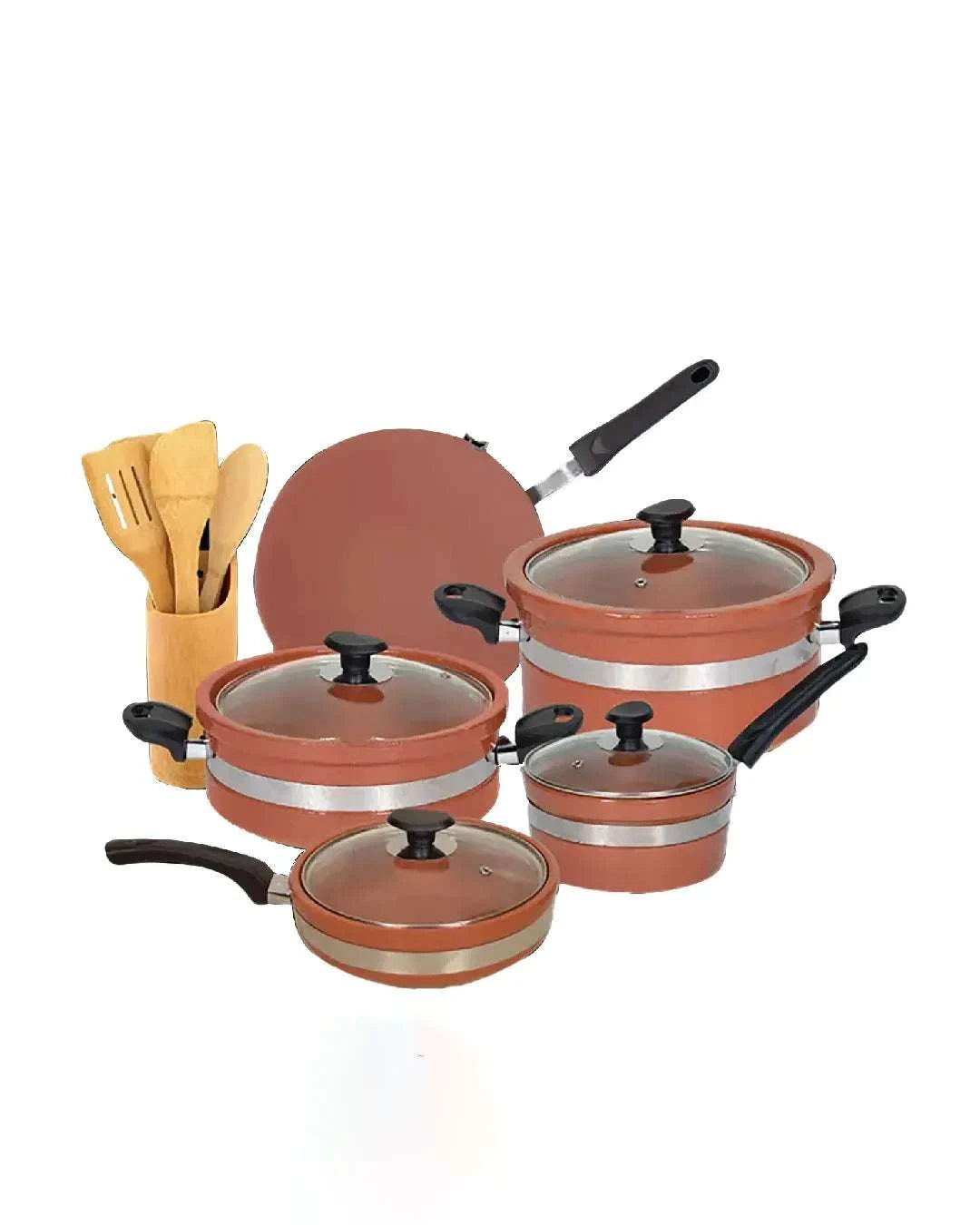
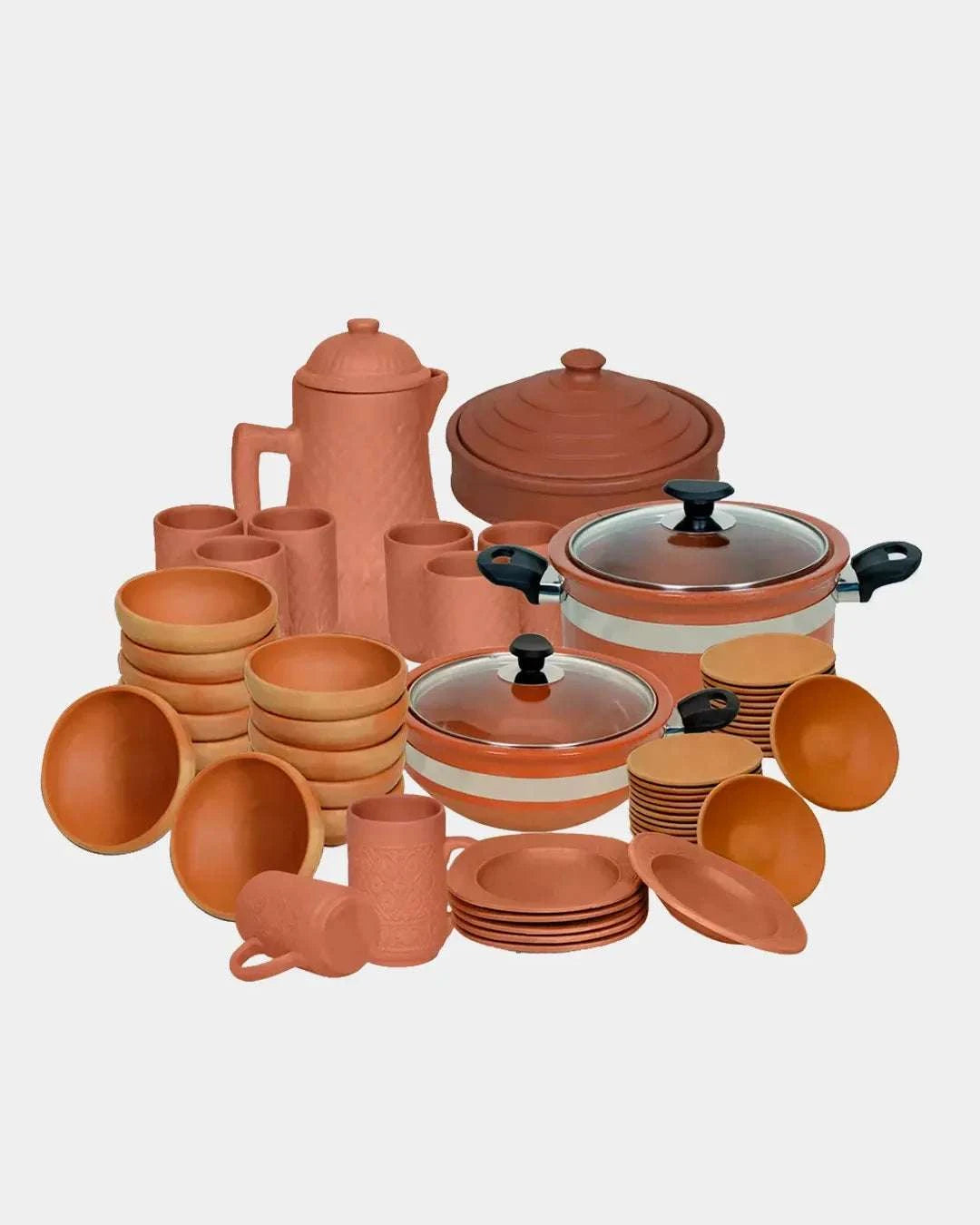
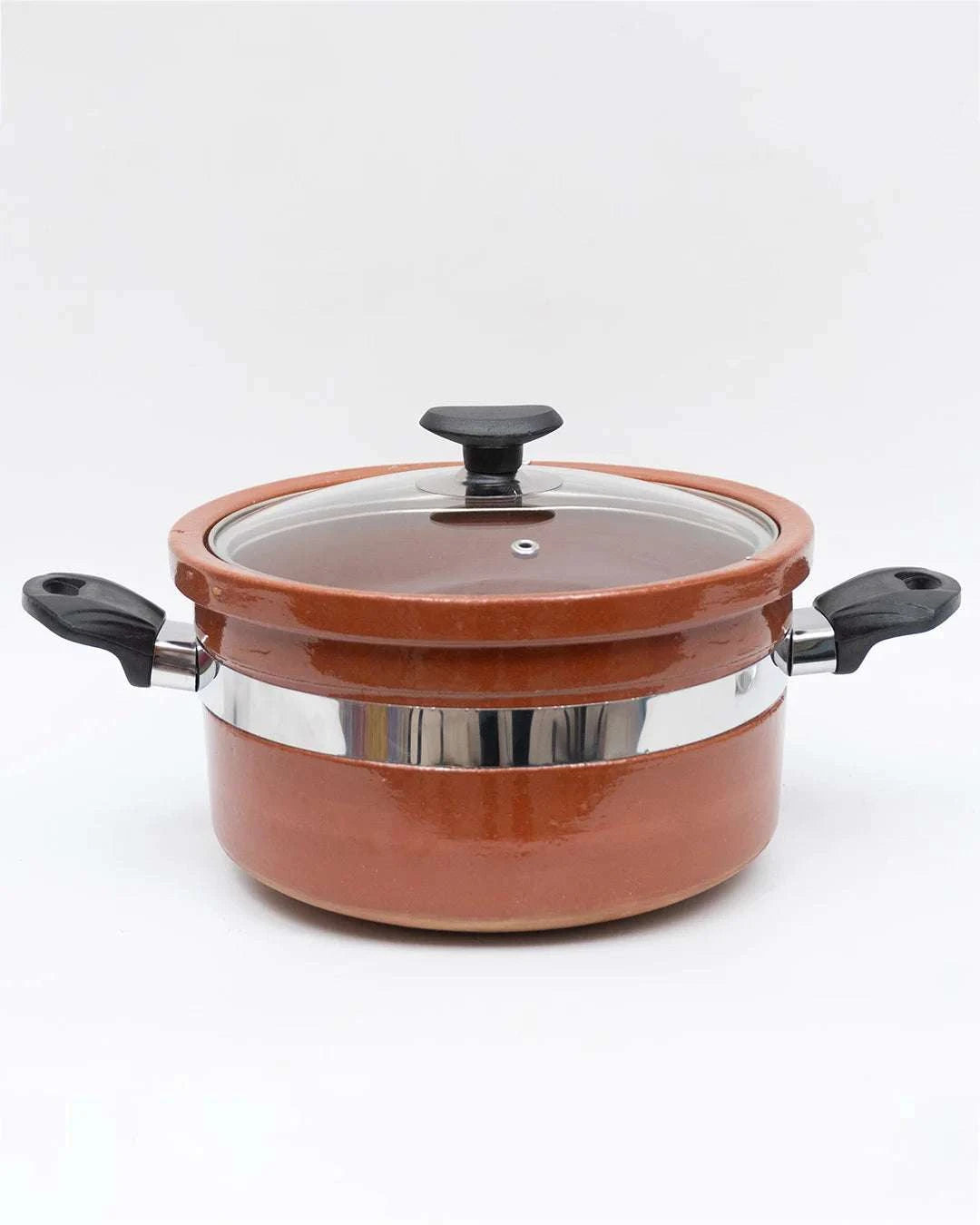
A good cooking pot does more than hold your food. The material you cook in can influence how quickly a dish heats, how much attention it needs, how it is served, and even the overall cooking experience. This is why traditional cookware such as a clay handi continues to attract attention, even when modern non-stick pots are readily available.
For Pakistani kitchens, the comparison is particularly interesting. A clay handi has long been associated with slow-cooked curries, daal, karahi, and other dishes that benefit from gentle heat. Meanwhile, non-stick cookware is known for convenience and easy cleaning. So, when it comes to clay handi for cooking, is traditional really better than modern? Not necessarily. Both have their place. The better choice depends on the dish, your cooking style, and how much time you want to spend in the kitchen.
Two Very Different Cooking Experiences

A clay handi is made from natural clay that is shaped and fired to create a functional cooking vessel. Its traditional character comes from the material itself and the slower cooking approach it encourages. Non-stick cookware typically has a metal body with a specially engineered non-stick surface. Its main purpose is convenience and making certain cooking tasks quicker.
The contrast is straightforward. Clay is about traditional, gradual cooking, while non-stick cookware is primarily designed for convenience and efficiency. Neither is automatically the right choice for every recipe.
How Does Clay Handi for Cooking Affect Food?
One of the biggest reasons people choose clay handi for cooking is its suitability for slow preparation. Clay can heat gradually and retain warmth, depending on the vessel's construction and cooking conditions. This makes it well suited to dishes that need time to simmer. Imagine a tomato-based curry with onions, spices, vegetables, or meat. Instead of cooking everything rapidly over high heat, you can allow the ingredients to come together slowly.
This can help develop a deeper and more integrated flavor profile. The clay itself does not magically make food tastier. Ingredients, seasoning, cooking technique, and time remain important. However, the cooking environment created by an appropriate clay vessel can complement traditional recipes particularly well.
Why Non-Stick Pots Feel Easier to Use
Non-stick cookware has a clear advantage when convenience is the priority. The smooth surface can make it easier to cook foods that tend to stick, and it often requires less oil for certain preparations. Cleaning can also be quicker compared with porous or traditionally finished clay cookware.
For a busy weekday breakfast, omelet, quick stir-fry, or other dishes that require rapid preparation, a non-stick pot or pan can be extremely practical. It also responds relatively quickly when you adjust the heat, which gives you greater convenience when a recipe requires frequent temperature changes. This is where modern cookware earns its place in the kitchen.
Which One Is Better for Traditional Pakistani Food?
For dishes that are naturally slow-cooked, a clay handi can be an excellent choice. Daal, curries, stews, certain rice dishes, and traditional meat preparations can all work well in suitable clay cookware. The vessel also fits naturally with the way many Pakistani dishes are served. A steaming handi can go directly from the cooking area to the dining table, which creates a warm and traditional presentation.
This is one reason you may see clay cookware used by restaurants specializing in traditional cuisine. A clay handi restaurant may use earthen vessels not only for their cooking qualities but also because they reinforce the visual and cultural character of the food.
Is a Clay Handi Difficult to Use?
Not necessarily, but it does require more care. One important consideration is temperature change. Clay can be more vulnerable to thermal shock than many metal cookware products. For this reason, you should follow the manufacturer's instructions carefully.
If the handi is designed for stovetop use, gradual heating may be recommended. Do not assume that every clay pot is suitable for direct flame. Some pieces are made specifically for cooking, while others are designed for serving or decoration. Always check the intended use before purchasing.
How to Make Clay Handi: A Craft Built Around Patience
Understanding how to make clay handi gives you a better appreciation of the finished product. The process begins with suitable clay. The material is cleaned and prepared before being mixed with water to achieve a workable consistency. The clay is kneaded to distribute moisture and reduce unwanted air pockets. It is then shaped, either by hand or using a pottery wheel, depending on the artisan's technique and the design of the handi.
Once shaped, the vessel is left to dry gradually. This is important because uneven drying can cause cracking. The dried handi is then fired at a controlled temperature. This transforms the soft clay into a harder and more durable ceramic vessel. The final piece may retain the natural color and texture of the clay, which gives it the distinctive appearance associated with traditional pottery. What looks like a simple cooking pot is actually the result of several stages of skilled craftsmanship.
Cleaning: Clay vs Non-Stick

This is another area where the two differ considerably. Non-stick cookware is generally easier to clean because its smooth surface prevents many foods from sticking. Clay cookware needs more thoughtful care, particularly when it is unglazed and porous.
Follow the manufacturer's cleaning instructions and avoid harsh products that may be unsuitable for the material. Allow the vessel to dry properly before storage. While this may require more effort, many buyers consider it worthwhile because of the traditional cooking experience and the sort of presentation clay provides.
Which One Should You Buy?
The answer depends on your kitchen habits. Choose a clay handi for cooking if you enjoy traditional recipes, slow cooking, natural materials, and serving food in the same vessel in which it was prepared. Choose non-stick cookware when convenience, quick preparation, easy cleaning, and low-stick cooking are your main priorities.
You can also use both. There is no rule saying a modern kitchen has to rely on one cookware material. A non-stick pan can handle your quick weekday meals, while a clay handi can come out when you are preparing a rich curry or hosting a family dinner.
A Practical Choice for the Modern Kitchen
The clay and non-stick debate does not need a winner. Each material solves a different problem. Non-stick cookware is designed around convenience, while clay cookware offers a slower, more traditional way of preparing and presenting food. A clay handi can be particularly rewarding for people who enjoy Pakistani cuisine and want to bring a little more tradition into their everyday cooking.
At Apni Mitti, traditional pottery reflects the connection between craftsmanship and the kitchen. A carefully made handi is not simply a cooking vessel. It carries the character of the material, the work of the artisan, and the traditions associated with cooking in earthenware. So, if you have been considering clay handi for cooking, start with recipes that already suit slow preparation. Follow the care instructions, use the vessel according to its intended purpose, and allow yourself to get familiar with its cooking rhythm.